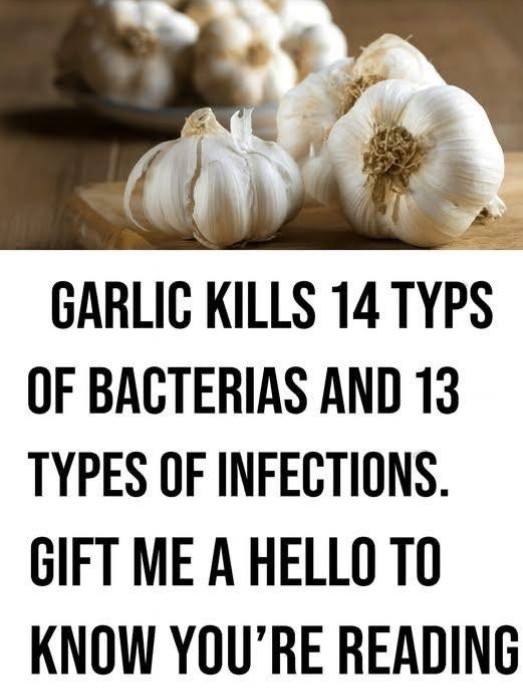
Ah! This is one of those claims that often pops up online: “garlic can save you from cancer” or similar. Let’s break it down carefully, separating scientific evidence from exaggeration.
What Garlic Really Does
1. Antioxidant and Anti-inflammatory Properties
- Garlic contains allicin and other sulfur compounds that:
- Reduce oxidative stress
- Fight inflammation
- Support heart health and immune function
2. Potential Anti-Cancer Effects
- Some laboratory and animal studies suggest that garlic compounds can slow the growth of certain cancer cells.
- Epidemiological studies show associations between garlic consumption and lower risk of certain cancers, like stomach, colorectal, and esophageal.
- Important: These studies show correlation, not a guaranteed cure or prevention.
3. Supports General Health
- May help lower cholesterol, improve blood circulation, and support detoxification.
- These effects can indirectly contribute to lower cancer risk by supporting overall cellular health.
What Garlic Cannot Do
- It is not a cure for cancer.
- Cannot replace medical treatment such as chemotherapy, surgery, or radiation.
- Eating garlic alone will not prevent cancer, though it can be part of a healthy diet.
Safe Use Tips
- Raw, lightly crushed, or cooked garlic can be added to meals daily.
- Typical beneficial amounts: 1–2 cloves per day.
- People on blood thinners should consult a doctor, as garlic may increase bleeding risk.
💡 Key Takeaway:
Garlic is a powerful food for overall health and may help reduce cancer risk as part of a balanced diet, but it is not a miracle cure. Think of it as supportive nutrition, not a standalone treatment.
I can make a visual guide: “Garlic Benefits vs. What It Can’t Do” — showing exactly how it helps your health and where caution is needed.
Do you want me to make that visual?
