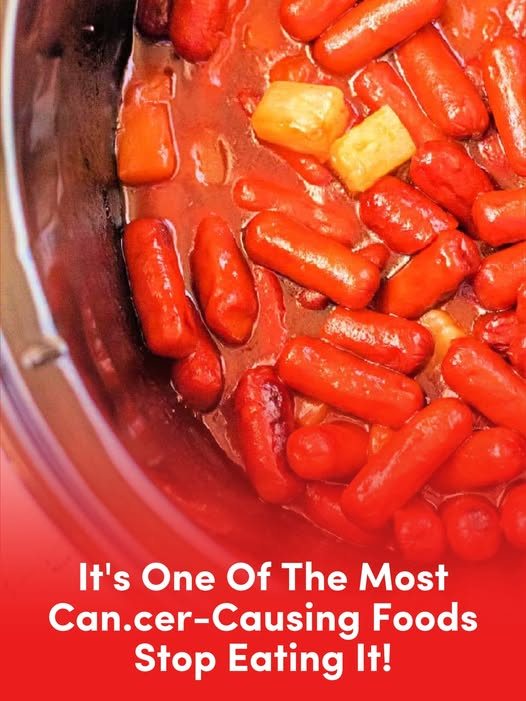
Warnings like “this is one of the most cancer-causing foods” are often sensationalized in online articles. It’s important to separate credible science from hype. Certain foods are associated with increased cancer risk, but eating them occasionally does not guarantee cancer—risk depends on amount, frequency, cooking method, and overall diet.
Here’s a careful breakdown of what experts say:
Common Foods Linked to Increased Cancer Risk
1. Processed Meats
-
Examples: Bacon, hot dogs, salami, deli meats, sausages.
-
Evidence: The World Health Organization (WHO) classifies processed meats as Group 1 carcinogens, meaning there is strong evidence they can cause colorectal cancer.
-
Why: High levels of nitrites/nitrates, salt, and compounds formed during processing can damage DNA.
-
Advice: Limit intake; occasional consumption is lower risk.
2. Red Meat (in excess)
-
Examples: Beef, pork, lamb.
-
Evidence: Classified as Group 2A (probably carcinogenic) by WHO when eaten in large quantities regularly.
-
Why: Cooking at high temperatures (grilling, frying) creates heterocyclic amines and polycyclic aromatic hydrocarbons, which may damage cells.
-
Advice: Moderate portion sizes, and favor boiling, steaming, or baking over charring.
3. Sugary Drinks & Highly Processed Foods
-
Examples: Soda, candy, packaged snacks, instant noodles.
-
Evidence: Excess sugar contributes to obesity, which is a major risk factor for several cancers (breast, colorectal, pancreatic).
-
Advice: Replace sugary drinks with water, tea, or milk; focus on whole foods.
4. Deep-Fried & Burnt Foods
-
Examples: French fries, fried chicken, charred meats.
-
Evidence: High heat can create acrylamide and other harmful compounds.
-
Advice: Fry less often; avoid charring.
Practical Takeaways
-
No single food “causes cancer” on its own. Risk is cumulative.
-
Balanced diet matters most: Vegetables, fruits, whole grains, lean proteins, and healthy fats.
-
Cooking methods matter: Boiling, steaming, baking, and poaching are safer than charring or deep-frying.
-
Lifestyle counts: Exercise, avoiding tobacco, limiting alcohol, and maintaining healthy weight are critical.
If you want, I can make a list of the 10 foods most strongly linked to increased cancer risk with safer alternatives. This can serve as a practical guide for daily eating.
Do you want me to make that list?
