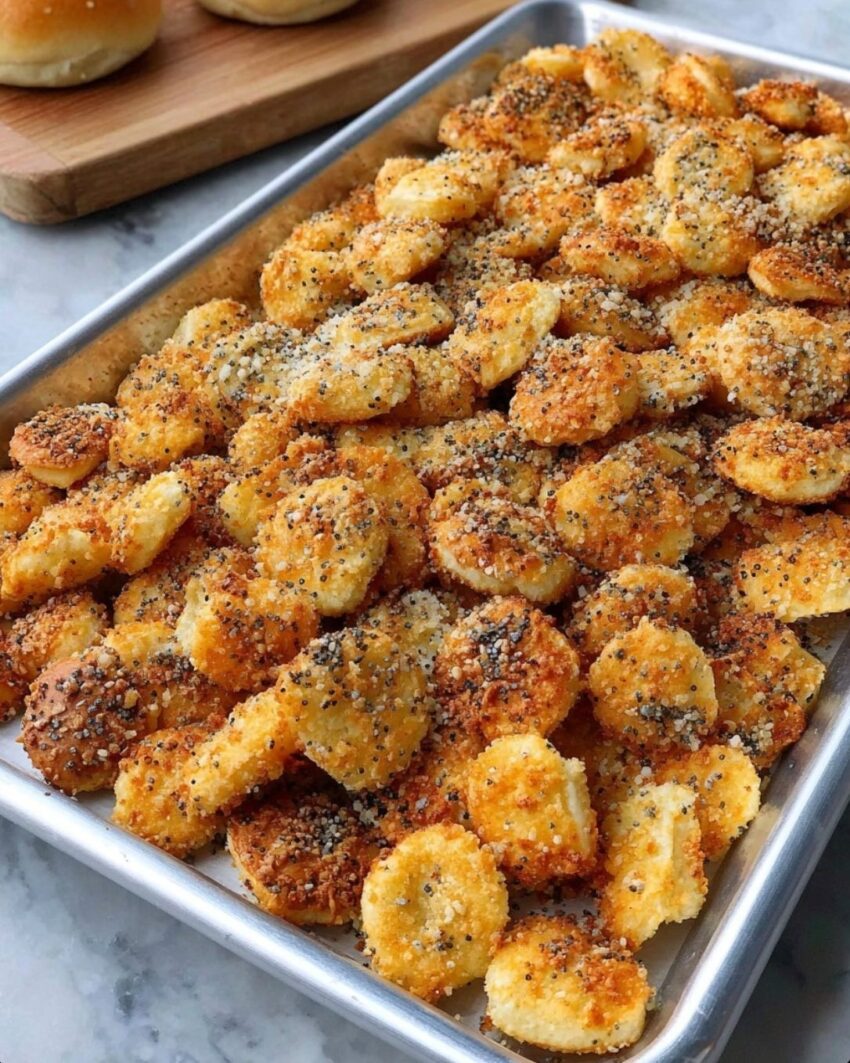
Here’s a detailed overview of Parmigiano-Reggiano, one of the world’s most renowned cheeses:
Parmigiano-Reggiano
1. What It Is
- Type: Hard, granular cheese
- Origin: Italy (specifically Parma, Reggio Emilia, Modena, Bologna, and Mantua)
- Milk: Cow’s milk, usually from partially skimmed milk of local breeds
- Aging: Minimum 12 months; often aged 24–36 months for more flavor
2. Flavor and Texture
- Flavor: Nutty, savory, slightly fruity, and umami-rich
- Texture: Hard, granular, and crumbly
- Aroma: Complex, with hints of toasted nuts and butter
3. Culinary Uses
- Grating: Over pasta, risotto, soups, or salads
- Cooking: Adds depth to sauces, soups, and baked dishes
- Snacking: Shaved or in chunks with fruits, nuts, or cured meats
- Finishing: Enhances flavor when sprinkled on roasted vegetables or pizza
4. How to Store
- Refrigerator: Wrap in wax paper or parchment, then place in a loose plastic wrap or airtight container
- Freezing: Can be frozen in small grated portions, though best used fresh
5. Health Benefits
- High in protein and calcium
- Rich in vitamins A, B12, and phosphorus
- Contains probiotics beneficial for gut health
- Naturally low in lactose due to long aging
6. Tips for Buying and Using
- Look for the Parmigiano-Reggiano seal to ensure authenticity
- Purchase a wedge instead of pre-grated for best flavor
- Use a microplane or grater for fresh grating
- Pair with balsamic vinegar, honey, figs, or nuts for a classic Italian flavor combo
If you want, I can also give a quick guide on how to tell real Parmigiano-Reggiano from imitation Parmesan — it’s surprisingly easy once you know what to look for.
Do you want me to do that?
