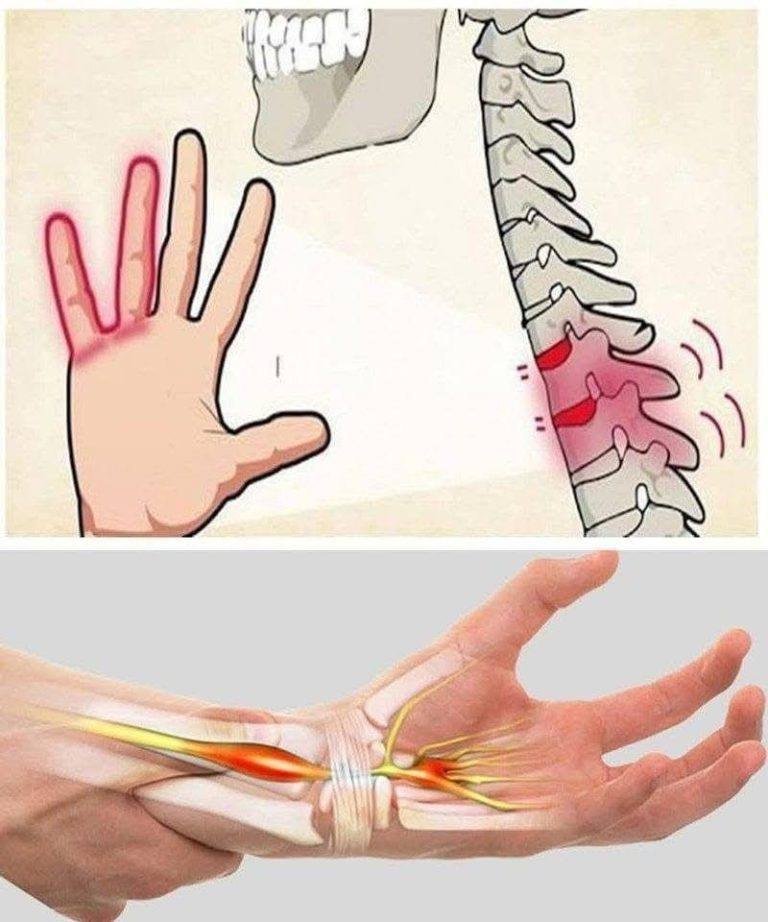
Numb hands are common, but they’re not always “normal.” Sometimes they’re harmless and temporary; other times they can signal an underlying problem that shouldn’t be ignored. Here’s how to tell the difference.
🤲 Numb Hands: Normal vs. Concerning
✅ When numb hands are usually normal
These causes are often temporary and improve on their own:
- Sleeping on your arm or hand → pressure cuts off blood flow
- Poor posture (bent wrists, leaning on elbows)
- Cold exposure → blood vessels constrict
- Repetitive use (typing, gaming, phone use)
- Tight jewelry or watches
Numbness from these causes usually goes away within minutes once you move or warm your hands.
⚠️ When numb hands may signal a problem
1️⃣ Carpal Tunnel Syndrome
- Numbness or tingling in thumb, index, middle fingers
- Worse at night or after repetitive hand use
- May include weakness or dropping objects
2️⃣ Pinched Nerve (Neck or Shoulder)
- Numbness travels from neck → shoulder → arm → hand
- Often accompanied by neck pain or stiffness
3️⃣ Poor Circulation
- Hands feel cold, pale, or bluish
- More common in people with diabetes, heart disease, or smoking history
4️⃣ Vitamin Deficiencies
- Vitamin B12 deficiency can cause numbness, tingling, and weakness
- Often comes with fatigue or balance issues
5️⃣ Diabetes (Neuropathy)
- Persistent numbness or burning sensation
- Usually affects both hands or feet
- Develops gradually
6️⃣ Autoimmune or Neurological Conditions
- Numbness that is progressive, one-sided, or persistent
- May include muscle weakness or coordination problems
🚨 Get medical help immediately if numb hands come with:
- Sudden weakness or drooping on one side of the body
- Trouble speaking or confusion
- Severe headache
- Chest pain
(These can be signs of a stroke or heart-related emergency.)
🩺 When to see a doctor
- Numbness lasts more than a few days
- Happens frequently or at night
- Comes with pain, weakness, or loss of coordination
- You have diabetes, thyroid disease, or vitamin deficiency risk
💡 What you can do now
- Stretch hands, wrists, and neck daily
- Improve posture and hand positioning
- Keep hands warm
- Ensure adequate B vitamins, magnesium, and hydration
- Avoid repetitive strain without breaks
✅ Bottom line
Occasional numb hands can be normal—but persistent, recurring, or worsening numbness is your body asking for attention. Early evaluation can prevent long-term nerve damage.
If you want, I can help you identify the most likely cause based on your symptoms (for example: fingers affected, timing, pain, one hand vs. both).
