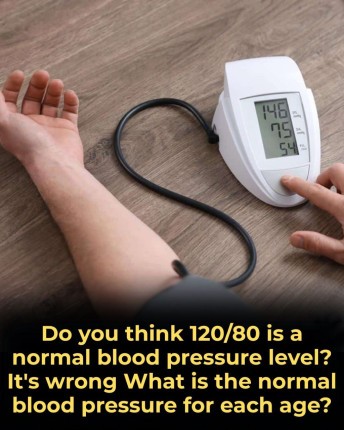
Here’s a clear, up-to-date, easy-to-understand guide to normal blood pressure by age, based on current medical guidelines (used in the U.S., Canada, and much of Europe).
🩺 What Is “Normal” Blood Pressure?
Blood pressure is written as systolic / diastolic
(example: 120/80 mmHg)
- Systolic = pressure when the heart beats
- Diastolic = pressure when the heart rests
✅ Normal Blood Pressure by Age (Adults)
Ages 18–39
- Ideal: <120 / <80
- Acceptable: up to 120–129 / <80
Ages 40–59
- Ideal: <120 / <80
- Common healthy range: 120–129 / <80
- Readings above this should be monitored closely
Ages 60 and older
- Ideal: <130 / <80
- Many doctors accept 130–139 systolic if:
- No dizziness
- No falls
- No kidney disease
⚠️ Very low BP in older adults can be risky (falls, fainting).
⚠️ Blood Pressure Categories (All Adults)
| Category | Reading |
|---|---|
| Normal | <120 / <80 |
| Elevated | 120–129 / <80 |
| High BP – Stage 1 | 130–139 / 80–89 |
| High BP – Stage 2 | ≥140 / ≥90 |
| Hypertensive Crisis | ≥180 / ≥120 (medical emergency) |
🧠 Important Age-Related Notes
- With age, arteries stiffen, so systolic pressure often rises
- Diastolic pressure may stay the same or even drop
- Treatment goals are individualized, especially after age 60
🚨 When to Call a Doctor
- Repeated readings ≥130/80
- Dizziness, headaches, chest pain, or shortness of breath
- Sudden spike or drop in BP
- BP meds causing weakness or falls
🏠 How to Measure Accurately at Home
- Sit quietly 5 minutes before measuring
- Feet flat on floor, arm at heart level
- No caffeine, smoking, or exercise 30 min prior
- Take 2 readings, 1 minute apart
✅ Bottom Line
- Normal BP is the same at every age: under 120/80
- Targets may be adjusted for older adults to balance safety
- Consistent monitoring matters more than a single reading
If you want, I can:
- Help you interpret your exact BP reading
- Create a BP log sheet
- Share natural ways to lower BP safely by age
Just tell me 👍
