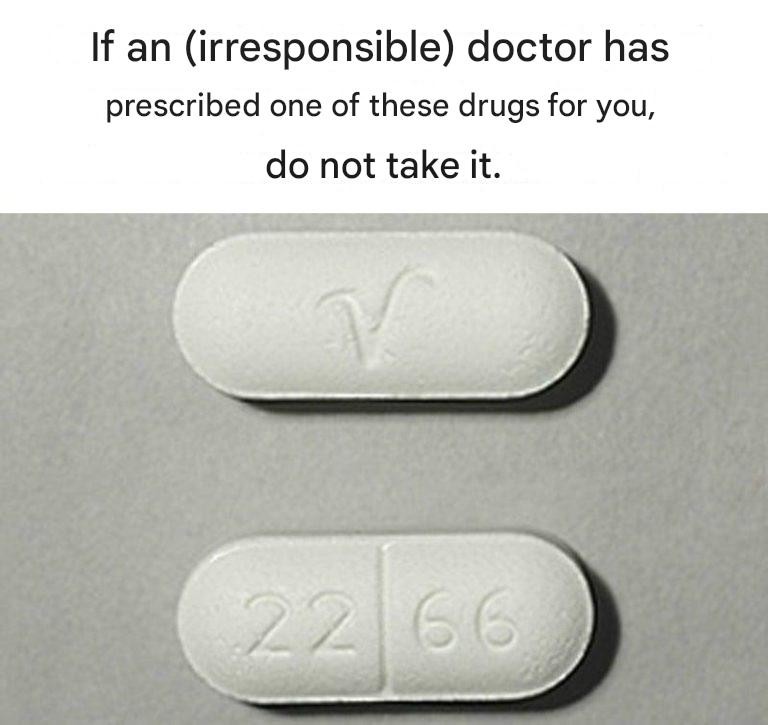
Here’s what you should know if a doctor ever prescribed you one of these medications — and why you might need to read up or talk to your clinician right away 💊⚠️
This isn’t meant to scare you, but being informed about your prescriptions helps keep you safer. Always talk to your doctor or pharmacist if you’re unsure about any medication you take. (ahrq.gov)
🚨 1. Stimulants for ADHD or similar conditions
These include medications prescribed for ADHD and some sleep/wake disorders.
New safety guidance from the FDA highlights that these drugs can carry risks of misuse, abuse, addiction, and overdose, especially if not taken exactly as prescribed — and sharing them with others is dangerous. (U.S. Food and Drug Administration)
👉 If you’ve been prescribed stimulants, be aware of:
- Taking them only at the doctor’s direction
- Never sharing them with anyone
- Risks of misuse or higher‑dose consumption
🚨 2. Gabapentinoids, Benzodiazepines & “Z‑Drugs”
Used for nerve pain, anxiety, insomnia, and related conditions.
Regulators are strengthening warnings because these drugs can cause dependence, addiction, tolerance, and challenging withdrawal — even when taken as prescribed. (nationalhealthexecutive.com)
👉 What to watch for:
- Taking longer or higher doses than recommended
- Trouble stopping the medicine
- Signs of dependence (needing more just to feel normal)
Ask your doctor how to safely taper off these medicines if needed.
🚨 3. Weight‑loss or diabetes injections (GLP‑1 receptor agonists)
This class includes medications like Ozempic, Wegovy, Saxenda, and similar drugs used for diabetes and obesity.
There have been warnings and discussions internationally about potential mental health effects (e.g., mood changes, nausea that can trigger disordered eating), and regulators in some countries advise patients to report any mood symptoms. (News.com.au)
👉 If you’re taking these, monitor for:
- Mood changes
- Unusual thoughts or behaviors
- Appetite or eating pattern changes
Always report any concerns to your clinician.
📌 Why This Matters
✔ Medication labels and safety info can change over time
- Regulators update warnings based on new evidence — what was safe before might now have new risk information. (ProKG)
✔ Your prescription might interact with other drugs
- Even doctor‑prescribed meds can interact with each other or with OTC drugs and supplements, causing unexpected side effects. (U.S. Food and Drug Administration)
- Always give your healthcare team a complete list of everything you take. (ahrq.gov)
✔ Errors can happen
- Illegible prescriptions and misinterpretations can lead to wrong medicines being dispensed. (The News International)
🩺 What You Should Do
- Don’t stop taking a prescribed medicine suddenly — always consult your doctor first. (ahrq.gov)
- Ask questions: Why am I taking this? What are the risks? What should I watch for? (Healthdirect)
- Keep a written list of all meds, doses, and who prescribed them. (ahrq.gov)
- Check for updated safety alerts on your medications regularly. (ProKG)
✔ Bottom line: Some commonly prescribed medications — especially stimulants, benzodiazepines/z‑drugs, and certain diabetes/weight‑loss injections — have updated warnings or risks that are important for patients to know about and discuss with their doctors. Staying informed and proactive with your healthcare team can prevent serious side effects and ensure safer treatment. (U.S. Food and Drug Administration)
If you want, I can break down specific side effects you should watch for with each of these drugs and what questions to ask your doctor about them. Just let me know!
