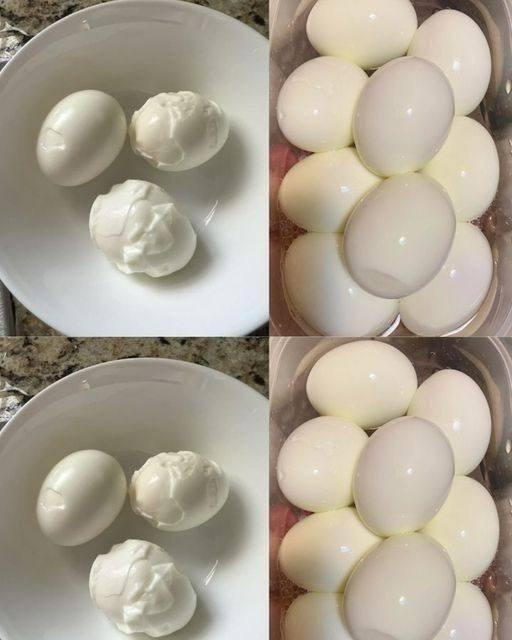
Sure! Let’s break down boiled eggs from a practical, nutritional, and culinary perspective.
1. What Boiled Eggs Are
- Eggs cooked in boiling water (or steamed) until both the white and yolk are set.
- Can be soft-boiled (runny yolk) or hard-boiled (fully set yolk).
2. Nutritional Benefits
Boiled eggs are a powerhouse of nutrition:
| Nutrient | Amount per large egg | Benefit |
|---|---|---|
| Protein | ~6–7 g | Builds muscle, supports metabolism |
| Fat | ~5 g | Mostly healthy fats; yolk contains omega-3 if enriched |
| Vitamins | A, B2, B12, D | Eye health, energy production, bone support |
| Minerals | Iron, phosphorus, selenium | Oxygen transport, bone health, antioxidant defense |
| Choline | ~147 mg | Brain health, liver function |
✅ Low in calories (~70–80 kcal per egg) and carbs-free
3. Health Notes
- Good for weight management – High protein keeps you full.
- Cholesterol concerns – Eggs do contain cholesterol, but research shows moderate consumption (1 egg/day) is safe for most people.
- Versatile for diets – Keto, low-carb, high-protein diets love boiled eggs.
4. How to Boil Eggs Perfectly
- Hard-boiled (firm yolk)
- Place eggs in a pot, cover with cold water.
- Bring to a boil, then simmer 9–12 minutes.
- Cool in ice water to stop cooking and peel easily.
- Soft-boiled (runny yolk)
- Boil 4–6 minutes, then cool in ice water.
💡 Tip: Older eggs peel easier than super fresh ones.
5. Uses of Boiled Eggs
- Eat plain with salt & pepper.
- Slice on salads or sandwiches.
- Mash into egg salad or deviled eggs.
- Snack for travel, work, or post-workout.
If you want, I can make a 7-day boiled-egg meal plan that maximizes protein, keeps calories balanced, and is actually tasty—not just plain eggs all week. It’s surprisingly doable.
Do you want me to make that plan?
