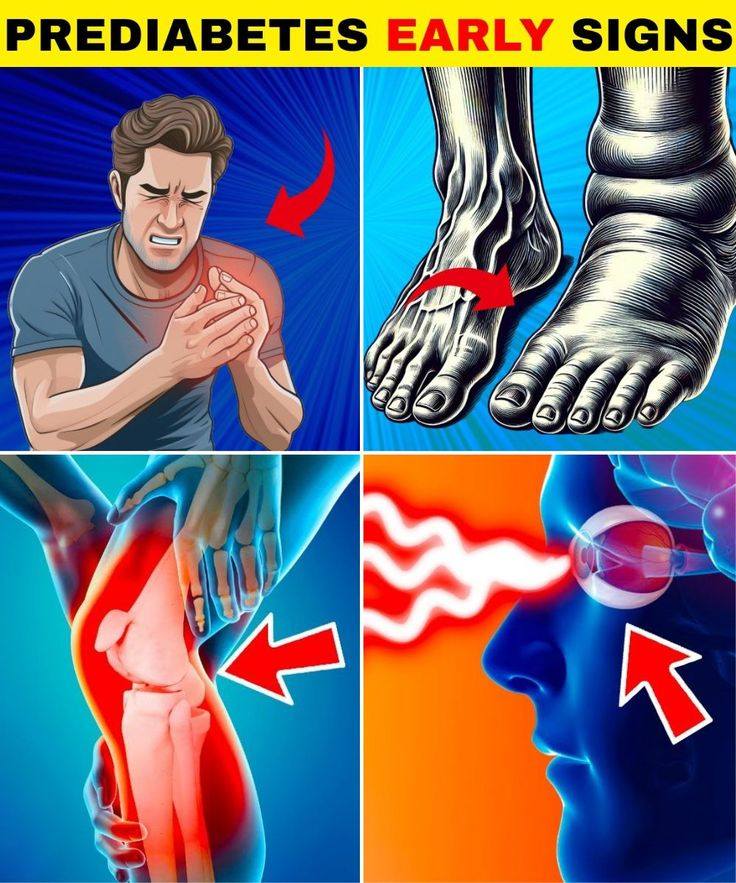
Absolutely! Let’s go through this carefully. Prediabetes is a condition where blood sugar levels are higher than normal but not high enough to be classified as type 2 diabetes. Catching it early can help prevent full-blown diabetes.
12 Signs You May Have Prediabetes
Many people with prediabetes have no obvious symptoms, but subtle signs can appear:
- Increased thirst – Feeling unusually thirsty even if you’re drinking normally.
- Frequent urination – Needing to urinate more often, especially at night.
- Fatigue – Feeling unusually tired despite adequate sleep.
- Blurred vision – High blood sugar can affect the lenses of your eyes temporarily.
- Slow-healing cuts or infections – Even minor cuts may take longer to heal.
- Darkened skin patches – Often on the neck, armpits, or groin (a condition called acanthosis nigricans).
- Unexplained weight changes – Usually weight gain, especially around the abdomen.
- Frequent infections – Yeast infections or urinary tract infections may recur.
- Tingling or numbness – In hands or feet due to nerve irritation from high blood sugar.
- Mood changes – Irritability or difficulty concentrating (“brain fog”).
- Increased hunger – Feeling hungrier than usual even after meals.
- Skin tags – Small growths of skin often around the neck or armpits.
⚠️ Important: Many people with prediabetes have no symptoms at all, which is why regular screening is important if you have risk factors.
How to Detect Prediabetes
The only definitive way to know is through blood tests:
- Fasting Blood Glucose (FBG)
- 100–125 mg/dL → Prediabetes
- Oral Glucose Tolerance Test (OGTT)
- 2 hours after glucose drink: 140–199 mg/dL → Prediabetes
- HbA1c (Glycated Hemoglobin)
- 5.7%–6.4% → Prediabetes
Who should get tested?
- Overweight or obese adults
- Age 35+ (earlier if risk factors present)
- Family history of diabetes
- High blood pressure, high cholesterol, or history of gestational diabetes
How to Control or Reverse Prediabetes
Lifestyle changes can dramatically reduce risk:
- Healthy diet
- Emphasize vegetables, whole grains, lean protein, and healthy fats.
- Reduce sugar, refined carbs, and processed foods.
- Regular exercise
- At least 150 minutes/week of moderate activity (like brisk walking).
- Include resistance/strength training 2–3 times/week.
- Weight management
- Losing even 5–10% of body weight can significantly improve blood sugar.
- Monitor blood sugar
- Check periodically to track progress.
- Sleep & stress management
- Poor sleep and chronic stress raise blood sugar.
- Avoid smoking & limit alcohol
- Both worsen insulin resistance.
With consistent lifestyle changes, prediabetes can often be reversed, preventing progression to type 2 diabetes.
If you want, I can make a simple, day-by-day lifestyle plan specifically to reverse prediabetes, with meals, workouts, and habits, so it’s actually actionable instead of just theory.
Do you want me to do that?
