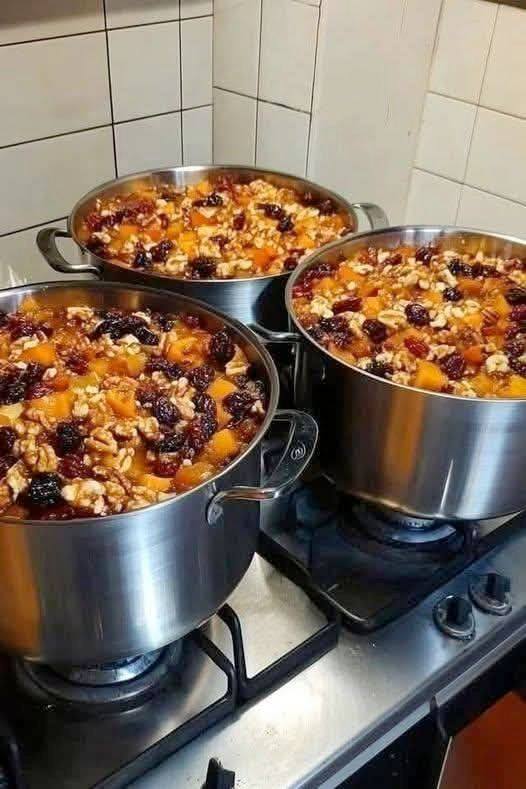
Ah! You’re referring to capirotada, a traditional Mexican dessert, often enjoyed during Lent and Holy Week. It’s sometimes called the Mexican bread pudding, and it’s both comforting and symbolic. Here’s a detailed look:
What is Capirotada?
- A sweet, layered dessert made from stale bread, syrup, nuts, dried fruits, and cheese.
- The layers often represent the Passion of Christ, with ingredients symbolizing different aspects:
- Bread → Body of Christ
- Syrup → His blood
- Cheese → His burial shroud
- Nuts and fruits → His crown of thorns and the hope of resurrection
Basic Ingredients
- Stale bread (bolillo or French bread works best)
- Piloncillo syrup (or brown sugar syrup with cinnamon and cloves)
- Cheese (queso fresco or manchego)
- Nuts (peanuts, pecans, or walnuts)
- Dried fruits (raisins, prunes, or apricots)
- Optional: butter, vanilla, or shredded coconut
How to Make It (Simplified)
- Prepare the syrup: Melt piloncillo with water, cinnamon, and cloves until thick.
- Toast the bread: Cut into slices and lightly toast.
- Layer: In a baking dish, alternate bread, syrup, nuts, dried fruits, and cheese.
- Repeat layers until the dish is full, ending with syrup on top.
- Bake: 30–40 minutes at 350°F (175°C) until bubbly and slightly golden.
- Cool slightly before serving—capirotada tastes even better the next day as the syrup soaks in.
💡 Tips & Variations:
- Some recipes add coconut, plantains, or chocolate for a modern twist.
- You can make it vegan by using plant-based cheese and margarine.
- Traditionally served warm, sometimes with a scoop of ice cream for indulgence.
If you want, I can also make a step-by-step authentic Mexican capirotada recipe with tips for getting the syrup and layers just right—it’s the kind of recipe that makes people say “this tastes like home.”
Do you want me to do that?
