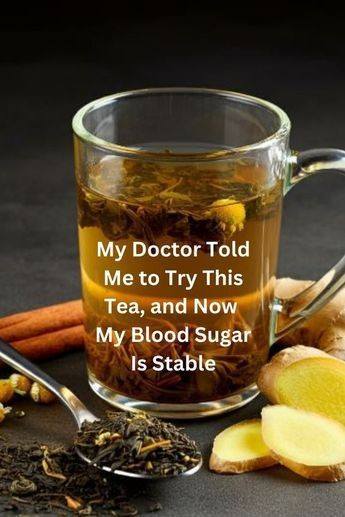
Here’s a clear, evidence-based guide on herbal tea and blood sugar — separating myths from facts 🫖
🫖 The Truth About Herbal Tea & Blood Sugar
Herbal teas are popular for blood sugar management, but it’s important to know what actually works, what’s promising, and what’s hype.
1. Cinnamon Tea
- Evidence: Some studies show cinnamon may improve fasting blood glucose and insulin sensitivity slightly.
- Reality: Effects are modest; not a replacement for medication or lifestyle changes.
- Tip: Brew 1–2 cinnamon sticks in hot water; don’t exceed high supplemental doses.
2. Ginger Tea
- Evidence: Ginger may help reduce fasting glucose and HbA1c in type 2 diabetes.
- Mechanism: Anti-inflammatory and may improve insulin function.
- Tip: Fresh ginger 1–2 grams/day can be brewed in tea.
3. Fenugreek Tea
- Evidence: Fenugreek seeds contain soluble fiber and compounds that slow glucose absorption.
- Reality: Can mildly lower post-meal glucose, but effects vary.
- Tip: Soak 1 tsp seeds in hot water or brew as tea; watch for digestive discomfort.
4. Green Tea
- Evidence: Contains EGCG, which may improve insulin sensitivity.
- Reality: Most research focuses on green tea extract rather than plain tea; effects are moderate.
- Tip: 2–3 cups/day may be beneficial.
5. Chamomile Tea
- Evidence: Some studies suggest regular chamomile tea may lower fasting glucose and oxidative stress in type 2 diabetes.
- Reality: More research needed; mild supportive effect only.
6. Hibiscus Tea
- Evidence: Can lower blood pressure and may help reduce insulin resistance.
- Reality: Good for cardiovascular support; modest effect on blood sugar.
⚠️ Important Caveats
- Herbal teas cannot replace diabetes medications
- Blood sugar-lowering effects are generally mild to moderate
- Some herbs can interact with medications (e.g., warfarin, hypoglycemics)
- Sweetened teas can raise blood sugar, negating benefits
✅ Practical Tips for Blood-Sugar-Friendly Herbal Tea
- Drink unsweetened
- Use fresh herbs when possible
- Combine with lifestyle changes: diet, exercise, sleep
- Monitor your blood sugar when trying a new tea regularly
- Consult your doctor if you take glucose-lowering meds
🧩 Bottom Line
Herbal teas can be a supportive, low-risk addition to a blood-sugar-friendly lifestyle, but they are not a treatment.
The biggest impact still comes from balanced diet, exercise, and proper medication.
If you want, I can make a ranked list of the 5 most effective herbal teas for blood sugar with brewing tips and ideal daily amounts — based strictly on clinical studies.
Do you want me to do that?
