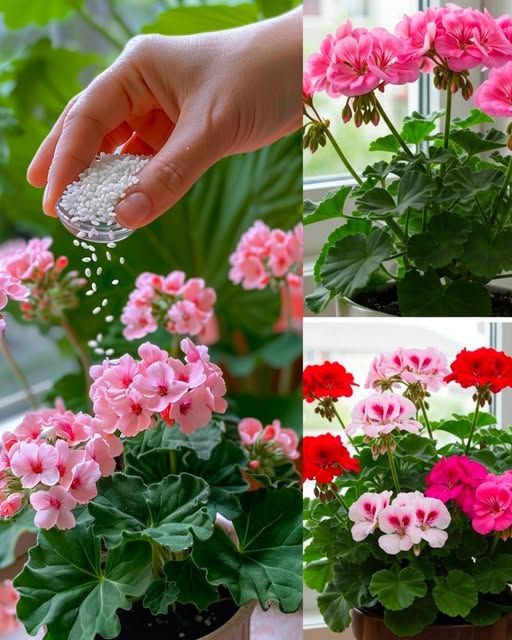
Here’s a clear, professional guide on how to fertilize plants using rice. Rice can provide nutrients and improve soil structure when used properly.
How to Fertilize Plants with Rice: 2 Methods
Method 1: Using Cooked Rice Water (Liquid Fertilizer)
Cooked rice water is rich in starch and some nutrients that can benefit plants.
Steps:
-
Save rice water
-
After cooking rice, save the water before adding salt or oil.
-
Let it cool to room temperature.
-
-
Dilute if needed
-
For most plants, dilute 1 part rice water with 2 parts plain water to avoid overfeeding.
-
-
Water the plants
-
Pour the diluted rice water at the base of the plant as you would with regular watering.
-
Frequency: once a week for houseplants or garden plants.
-
Benefits:
-
Provides small amounts of nitrogen and other nutrients.
-
Encourages beneficial soil microbes.
Method 2: Using Cooked Rice as a Soil Amendment
Cooked rice can be added directly to soil in small amounts to slowly release nutrients.
Steps:
-
Cool and mash the rice
-
Use plain, cooked rice. Mash slightly for easier integration into soil.
-
-
Apply to soil
-
Mix a thin layer (1–2 tablespoons per plant) into the top 1–2 inches of soil.
-
Avoid piling it directly on stems or crowns to prevent rot.
-
-
Water lightly
-
Water gently to help the rice integrate and start decomposing.
-
Benefits:
-
Slowly releases nutrients as it decomposes.
-
Can attract earthworms, which improve soil health.
-
Helps retain soil moisture.
Tips & Warnings
-
Do not use salted or flavored rice; salt and oils can harm plants.
-
Avoid large amounts, which can ferment and attract pests.
-
Rice is a supplement, not a replacement** for regular plant fertilizer. Use it alongside balanced fertilizers for best results.
If you want, I can also provide a guide on using uncooked rice, rice husks, and rice bran as fertilizers, which are slightly different but highly effective.
Do you want me to do that?
